Your liver is a powerhouse organ, responsible for over 500 vital functions that keep you alive. From filtering toxins to supporting digestion, it works non-stop without complaint. But what happens when this silent hero begins to fail?
The symptoms may seem harmless at first—fatigue, swelling, or itchy skin—but they often signal something far more dangerous. Ignoring the early signs can result in long-term complications, hospitalizations, and even death. Understanding these warning signals is crucial for early intervention. With regular preventive screenings and the right health insurance, many liver-related conditions can be diagnosed and treated before it’s too late.
If you want to protect your long-term health, you need to know what a cry for help looks like. Here are the eight dying liver symptoms you absolutely cannot afford to ignore.
1. Yellowing of Eyes and Skin (Jaundice)
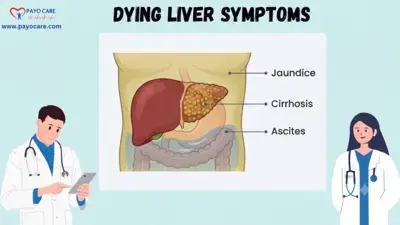
One of the earliest and most visible signs of liver failure is jaundice. This condition occurs when the liver cannot efficiently process bilirubin, a yellow pigment in the blood. As bilirubin levels rise, the skin and the whites of the eyes develop a yellowish tint.
Jaundice may also be accompanied by dark urine and pale stools. While often associated with hepatitis or alcohol abuse, it can also indicate liver cancer or cirrhosis. Prompt medical consultation and liver function tests are essential. These tests are often covered under preventive health insurance, making early intervention more accessible and affordable for patients.
2. Swelling in the Abdomen and Legs (Ascites and Edema)
Have you noticed your stomach suddenly looking heavily bloated, or your shoes feeling unusually tight? When the liver is heavily damaged, it stops producing enough albumin—a protein that keeps fluids inside your blood vessels.
This drop in albumin, combined with increased pressure in the vein that moves blood through the liver (portal hypertension), causes fluid to leak out and pool. It typically accumulates in the abdominal cavity, a condition known as ascites, but gravity also pulls this fluid down into your legs, ankles, and feet (edema). If your belly feels tight, painful, or distended and it isn’t related to recent meals, it’s a massive red flag.
3. Chronic, Unexplained Fatigue
We all get tired. But the exhaustion associated with a failing liver is entirely different—it’s a bone-deep lethargy that a good night’s sleep simply won’t fix.
When your liver is struggling, it can’t efficiently convert glucose into glycogen for energy storage. Worse, as your liver’s filtering capacity drops, toxins begin to build up in your bloodstream. Your body essentially has to work overtime just to function, leaving you feeling constantly drained, weak, and unmotivated. If you’ve been experiencing persistent exhaustion without a clear cause, a basic metabolic blood panel is your best next step.
4. Intensely Itchy Skin (Pruritus)
Most people assume itchy skin is an allergy, a bug bite, or simply dry weather. But if you find yourself aggressively scratching and your skin looks completely normal—no rash, no hives, no redness—your liver might be the culprit.
As liver disease progresses, bile salts that the liver is supposed to process and excrete begin to build up under the skin. This causes an intense, relentless itch, often worse at night, and frequently concentrated on the palms of the hands or the soles of the feet. Over-the-counter moisturizers won’t help because the problem is strictly internal.
5. Easy Bruising and Uncontrollable Bleeding
If you bump your arm gently against a doorframe and end up with a massive, dark bruise, your blood might not be clotting properly.
Your liver acts as the manufacturing plant for the proteins your blood needs to clot. When liver tissue is scarred and damaged (cirrhosis), it stops producing these essential proteins. As a result, you might notice that you bruise incredibly easily, experience frequent nosebleeds, or bleed heavily from minor cuts. Brushing your teeth might suddenly leave your gums bleeding. This is a sign of advanced liver distress that requires immediate medical attention.
6. Nausea, Vomiting, and Complete Loss of Appetite
Digestive issues are tricky because they mimic dozens of other minor illnesses, like food poisoning or a passing stomach bug. However, persistent nausea is one of the classic early warning signs of liver disease.
The liver plays a massive role in digestion by producing bile to break down fats. When it fails, your digestion slows to a crawl. You might feel a heavy, sick feeling after eating even small amounts of food, leading to a severe loss of appetite and unintended weight loss. If you are shedding pounds without trying and feeling perpetually nauseous, your body is sounding an alarm.
7. Spider Angiomas (Visible, Star-Shaped Blood Vessels)
Take a close look at your chest, face, and neck. Do you see tiny, red spots with faint, thread-like blood vessels radiating outward like a spider’s web?
These are called spider angiomas, and they are a classic hallmark of chronic liver disease. The liver normally metabolizes and clears excess hormones from the blood. When it fails to do so, estrogen levels can spike, causing these tiny arterioles near the skin’s surface to dilate and break. While they are painless, their appearance is a strong visual indicator of underlying liver dysfunction.
8. Confusion, Memory Loss, and Slurred Speech
Perhaps the most terrifying symptom of a dying liver doesn’t happen in the abdomen—it happens in the brain.
A healthy liver filters ammonia and other toxic byproducts out of your blood before they can reach your brain. When the liver is failing, these toxins bypass the filtration system and flood your central nervous system. This condition, called hepatic encephalopathy, causes a rapid cognitive decline. It often starts mildly—forgetfulness, trouble concentrating, or changes in sleep patterns—but can quickly escalate into severe confusion, slurred speech, personality changes, and eventually a coma.
Don’t Wait Until It’s Too Late
The liver is incredibly resilient and is one of the only organs in the body capable of regenerating itself—but it has its limits. Once the damage progresses to severe cirrhosis, the scarring is irreversible.
If you or a loved one are experiencing any combination of these symptoms, do not write them off as “getting older” or “just a phase.” Schedule an appointment with a healthcare provider immediately. A simple blood test (checking AST, ALT, and bilirubin levels) can tell you exactly what is happening beneath the surface. Protect your health, leverage your preventive insurance benefits, and catch liver distress before the damage is done.
